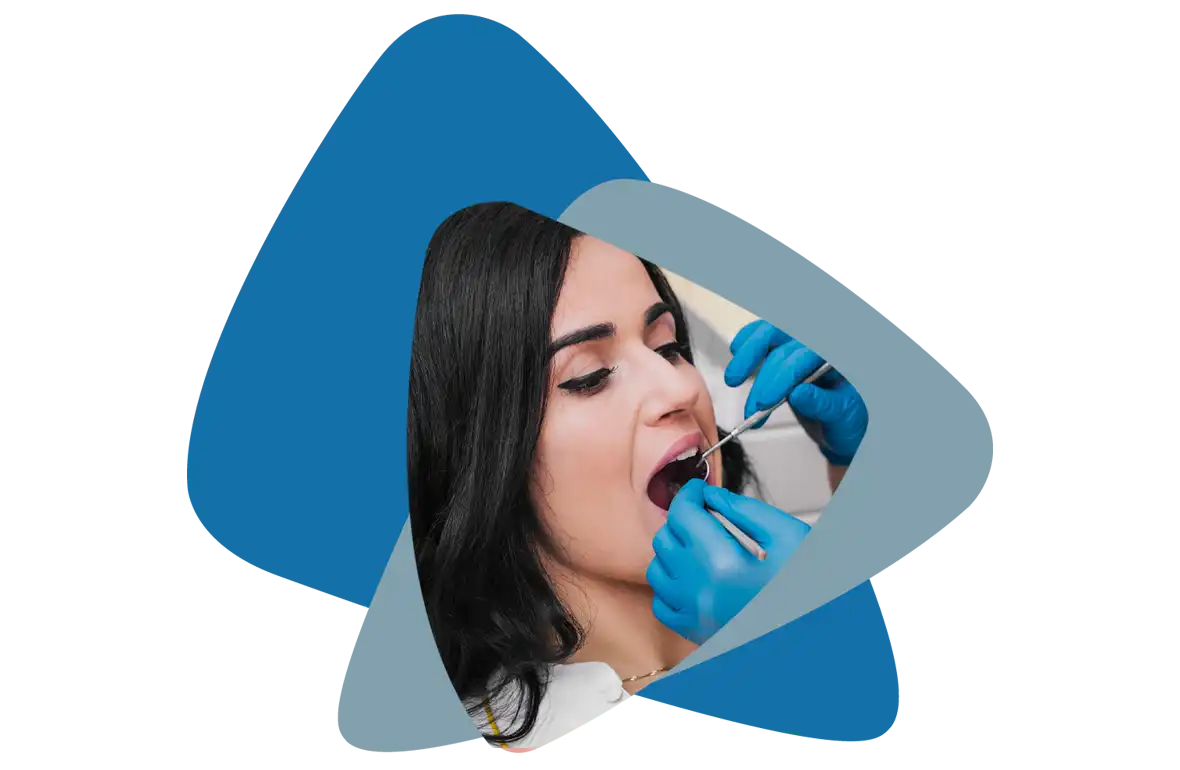
Restorative dentistry
Restorative dentistry involves treatments designed to repair, strengthen, or replace damaged or missing teeth.
Restorative Dentistry in Woden Valley, Canberra
Restorative dentistry focuses on repairing and rebuilding teeth that have been damaged by decay, trauma, wear, or disease—restoring both function and natural appearance. At Woden Dental Care, we provide personalised restorative solutions to help patients across Woden Valley and Canberra regain comfort, confidence, and long-term oral health.
Our experienced dentists use evidence-based techniques and modern materials to deliver durable, natural-looking results that integrate seamlessly with your existing teeth.
What Is Restorative Dentistry?
Restorative dentistry involves treatments designed to repair, strengthen, or replace damaged or missing teeth. These treatments may be:
-
Direct restorations – applied directly to the tooth during a single visit (e.g. tooth-coloured fillings)
-
Indirect restorations – custom-made outside the mouth and then fitted (e.g. crowns, onlays, veneers, bridges, implants, or dentures)
Restorative care often works alongside our General Dentistry and Preventative Care services to stop further damage and avoid dental emergencies.
Tooth-Coloured (White) Fillings
Tooth-coloured fillings, also known as composite or white fillings, are a conservative and aesthetic way to repair teeth affected by decay or minor fractures.
At Woden Dental Care, composite fillings:
-
Chemically bond to the natural tooth structure
-
Closely match the colour of your existing teeth
-
Restore strength while preserving healthy enamel
-
Provide a natural, seamless appearance
Once decay is removed, the composite material is placed in layers, shaped precisely, and hardened using a curing light. The filling is then adjusted, polished, and refined for comfort and longevity.
👉 White fillings are commonly provided during routine Dental Check-Ups or following early decay detection.
Inlays and Onlays
When a tooth is too damaged for a standard filling but does not yet require a full crown, inlays or onlays may be recommended.
-
Inlays restore damage within the grooves or central surface of the tooth
-
Onlays extend further, covering one or more cusps or the entire biting surface
These restorations are typically made from high-strength porcelain, offering:
-
Superior durability compared to fillings
-
Excellent aesthetics
-
Long-term protection for weakened teeth
Inlays and onlays are custom-designed to fit precisely and help preserve as much natural tooth structure as possible.
Dental Crowns for Weakened or Cracked Teeth
When a tooth is significantly weakened due to large decay, fractures, or root canal treatment, a dental crown may be required.
Crowns are designed to:
-
Protect and strengthen compromised teeth
-
Hold together cracked or heavily restored teeth
-
Restore full chewing function and appearance
👉 Crowns are often recommended following Root Canal Treatment or advanced restorative procedures.
Integrated Restorative Care
Restorative dentistry at Woden Dental Care is never approached in isolation. We consider your overall oral health, gum condition, bite alignment, and long-term needs.
Restorative treatment may be coordinated with:
-
Gum Disease Treatment
-
Emergency Dentistry
-
Dental Implants or Dentures
-
Preventative Care & Oral Hygiene
Our aim is to restore function while preventing future problems.

Integrated Restorative Care
FAQs – Restorative Dentistry
What is the difference between restorative and cosmetic dentistry?
Restorative dentistry focuses on repairing damaged or missing teeth for function and health, while cosmetic dentistry focuses primarily on appearance. Many restorative treatments also improve aesthetics.
Are tooth-coloured fillings safe and durable?
Yes. Composite fillings are safe, mercury-free, and durable when properly maintained. They are ideal for small to moderate restorations.
How do I know if I need an inlay, onlay, or crown?
Your dentist will assess the extent of tooth damage. Fillings are used for minor decay, inlays/onlays for moderate damage, and crowns for heavily weakened teeth.
How long do restorative treatments last?
With good oral hygiene and regular dental visits, fillings, onlays, and crowns can last many years, sometimes even a lifetime.
Can restorative dentistry prevent tooth loss?
Yes. Early restorative treatment can prevent further damage, infection, and the need for extractions.
Our Services

Preventative Dental Care
Know More

Crowns & Bridges
Know More

Dental Emergency
Know More

Root Canal Treatment
Know More

Restorative Dentistry
Know More

Dentures
Know More